Return to the Past – Flash Player and It's Impact on the Internet as We Know It Today. It's Beginning, Fame, and Painful Downfall
Introduction
Hello, my dear readers! I’m finally back after a long absence, and I’ve decided to make this the first article in a new series where we revisit technologies that changed our lives and shaped the Internet as we know it today.
Today’s topic about “Adobe Flash” something you’ve almost certainly come across on websites during the early 2000s up through the start of the 2010s, when most of the web was built using Flash. It introduced us to those iconic online games we all remember, the famous “Flash Games”, Ready to dive into the sea of nostalgia? Let’s begin.
The Birth of Flash
Our story begins in 1996 — the year the first version of “Flash Player” was released. Interestingly, it wasn’t owned by Adobe back then, but by a company called “Macromedia,” and it was originally named “FutureSplash Player.”
You might be wondering: what was the purpose behind Flash’s creation?
During the 1990s, web development tools were quite limited — there was no easy way to add animations, videos, or even audio. Most websites were plain, static pages containing text and a few images, often loading quite slowly. This limitation created a need for a technology capable of delivering a lively, interactive browsing experience — and from that need, Flash was born.
How Flash Worked
Flash was a program users had to download and install on their computers. When a person visited a site built with Flash, the browser would load special “.swf” files containing all the page’s elements — graphics, animations, sound, and video. The Flash Player would then render everything for the user.
Now you might ask: wasn’t the internet too slow back in 1996? That’s true — but Flash had an advantage. Instead of using pixel-based images, it relied on vector graphics, which are much lighter and faster to load.
Success and Fame
From the moment it launched in 1996, Flash took off quickly. Many popular websites started adopting it — most notably “YouTube,” which originally depended entirely on Flash to play videos. Movie websites like that of “Toy Story 3” (launched alongside the film’s 2010 release) also used it heavily.
Flash also gave rise to a legendary online category: “Flash Games.” At that time, Flash was nothing short of a revolution.
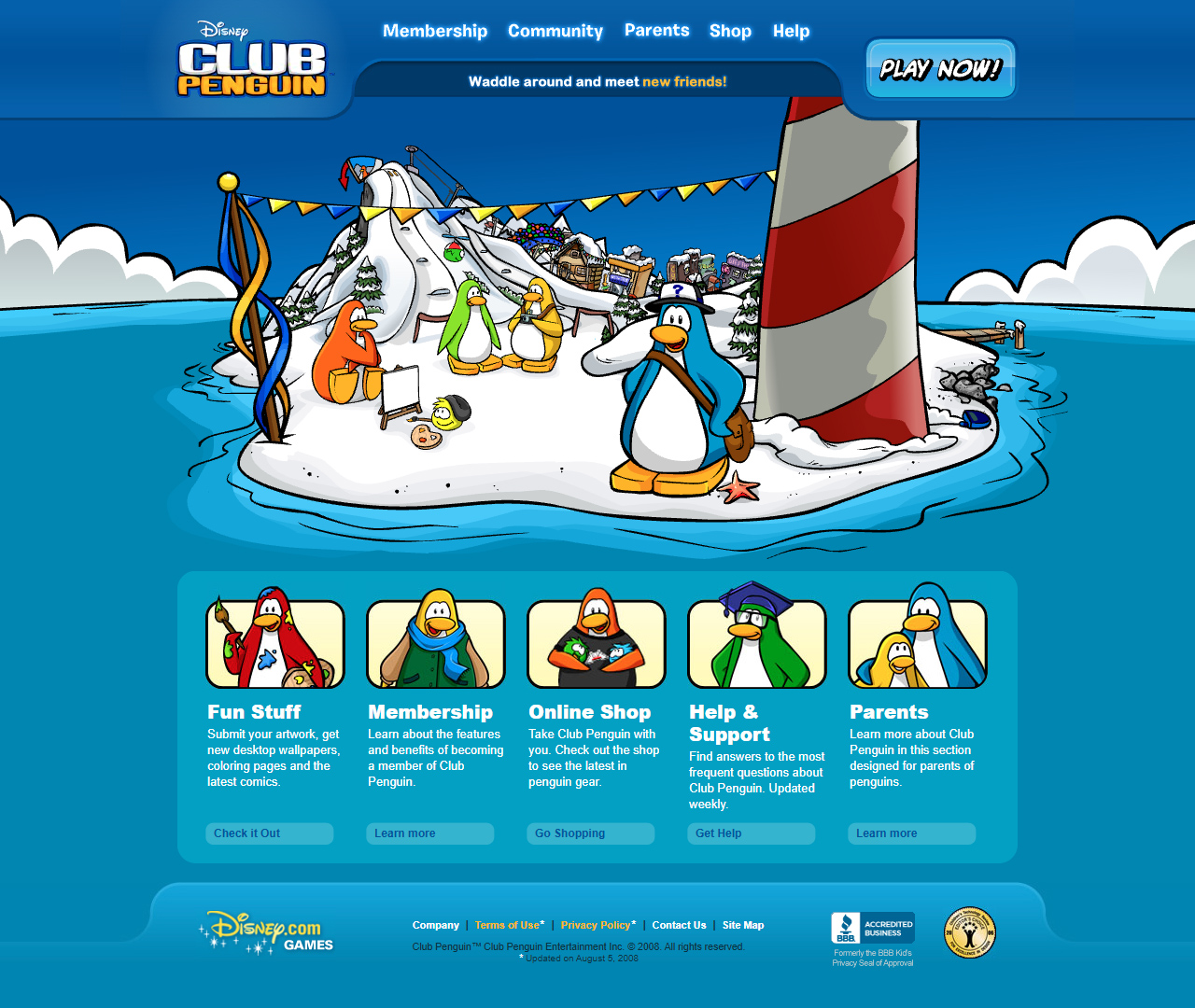
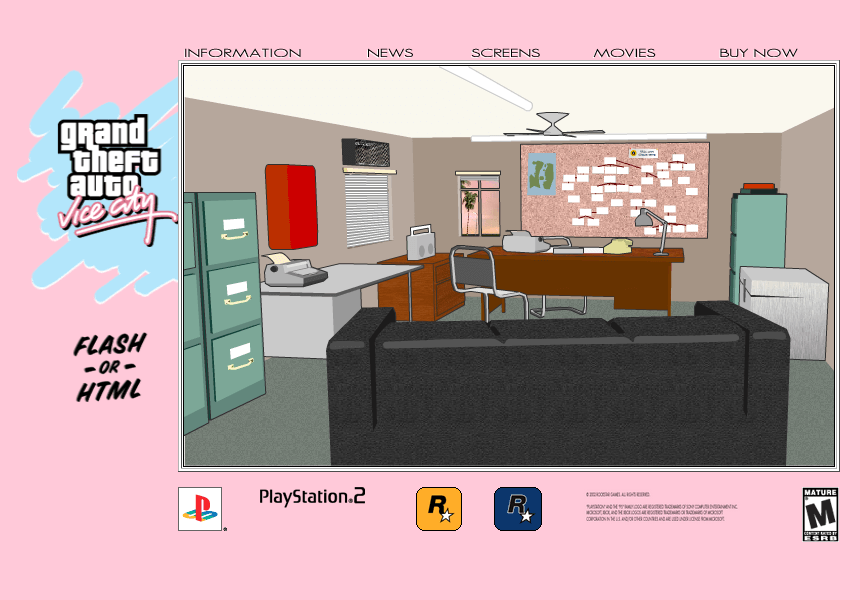
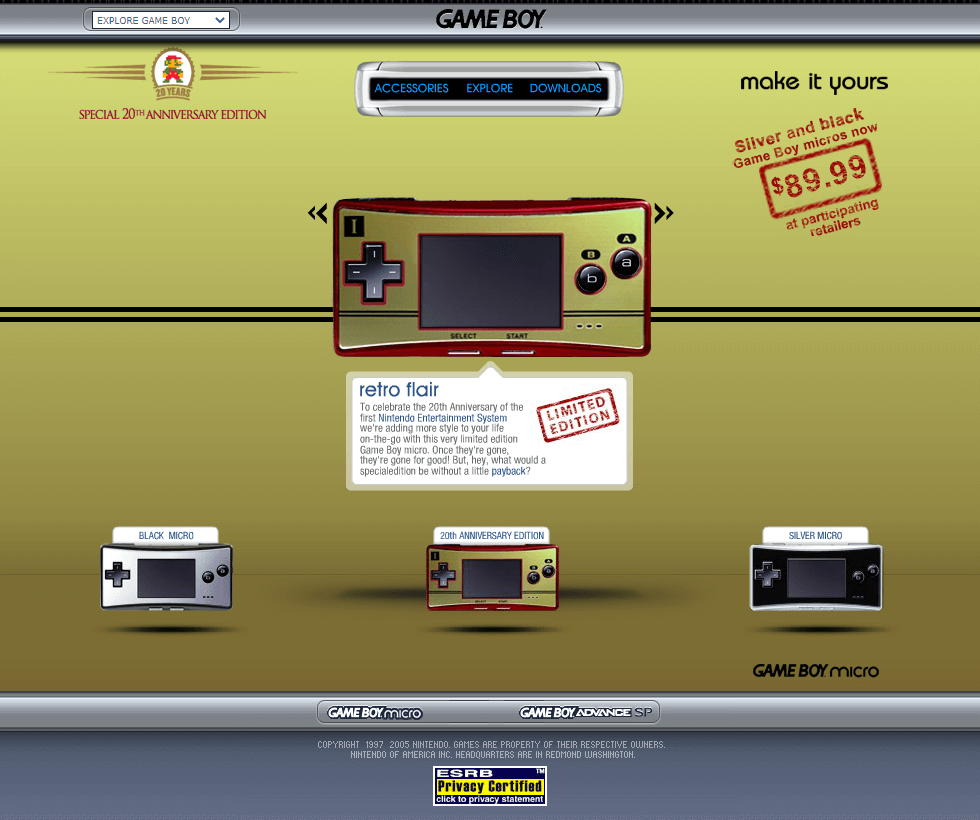
Images of Flash-Based Websites

Beginning of The Problems
Unfortunately, not everything lasts forever. Despite its huge success, Flash had one fatal flaw — security vulnerabilities. Hackers began exploiting it to spread malware, and because Flash was installed locally on users’ computers, it had deep system access.
The company rushed Flash’s development to stay ahead of potential competitors, which led to many security risks.
Then in 2005, Adobe acquired Macromedia, putting Flash Player under Adobe’s control, along with many other products. This effectively concentrated a large portion of the web’s interactivity under one company — something Apple’s CEO at the time, Steve Jobs, strongly opposed. He even published an open letter outlining his reasons for disliking Flash, including its proprietary nature and performance issues.
In response, major browser developers — Apple, Google, Mozilla, and Microsoft — came together in the late 2000s to develop HTML5: a modern, open, and more secure alternative.
By 2010, YouTube had officially abandoned Flash, and many other sites followed suit.
Final Days of Flash
After that blow, Flash began its slow decline, which continued until its official discontinuation in 2020 — marking the end of an era that had lasted 24 years.
During that time, Flash dominated the web, bringing countless interactive sites and beloved childhood games to life. Yet from 2010 onward, its relevance steadily faded.
Today, almost all Flash-based websites have vanished completely, inaccessible to modern browsers. Some emulators like “Ruffle” have emerged, but they can’t replicate the full functionality or compatibility of the original Flash Player.
Conclusion
And with that, we’ve reached the end of this nostalgic journey. I hope you enjoyed revisiting the past with me. Thank you for your time, support, and interest! Until next time — stay safe and well 🖤.